
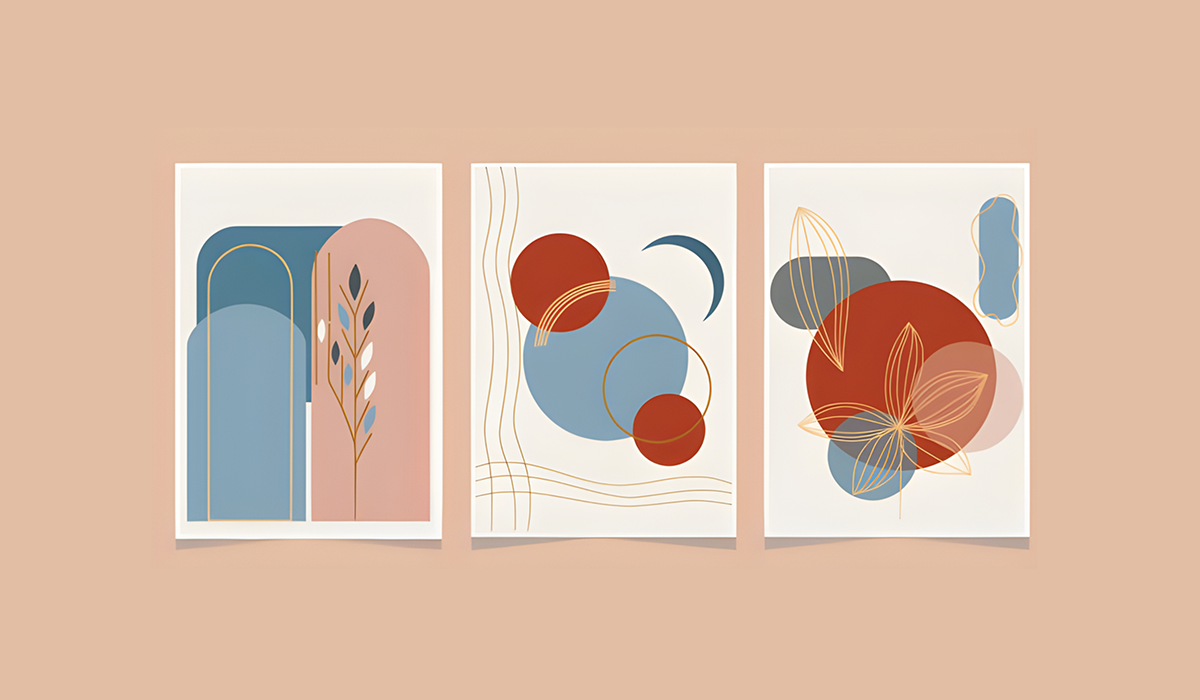
Frame It Right: How Decorative Items Can Define and Elevate Every Corner of Your Room
A well-designed room doesn’t just look good, it feels intentional. One of the highly effective yet often overlooked ways to achieve this is by framing key areas using decorative items. Much like a picture frame draws attention to artwork, thoughtful decor placement can highlight focal points, define zones, and bring harmony to your space.
Whether you’re working with a compact apartment or a spacious home, learning how to frame areas with decorative elements can transform your interiors into something visually structured and inviting.
What Does “Framing a Space” Really Mean?
Framing in interior design refers to using decorative items to visually outline or emphasize a specific area. This could be a seating arrangement, a bed, a dining table, or even a reading nook.
Instead of leaving these areas floating or undefined, framing gives them purpose. It tells the eye where to focus and helps create a sense of order without the need for walls or partitions.
Why Framing Matters in Interior Styling
Framing key areas serves both aesthetic and functional purposes. It helps break up a room into distinct sections, especially in open-plan layouts. At the same time, it adds depth and character.
When done right, framing:
- Creates visual balance
- Enhances focal points
- Improves flow within the room
- Makes spaces feel more organized
It’s a subtle technique, but its impact is powerful.
1. Use Rugs to Anchor and Frame Spaces
Rugs are one of the easiest ways to frame a specific area. Placing a rug under a coffee table and sofa immediately defines the living zone.
The key is choosing the right size. A rug that’s too small can feel disconnected, while one that’s appropriately sized helps tie all elements together.
Patterns and textures can also contribute to framing. A bold rug draws attention, while a neutral one provides a soft boundary.
2. Frame with Curtains and Drapery
Curtains aren’t just for windows; they can also be used to frame spaces within a room. Floor-to-ceiling drapes can highlight large windows, making them a focal point.
You can also use curtains to subtly separate areas, such as a sleeping zone in a studio apartment. This creates a sense of enclosure without permanent dividers.
Light, flowing fabrics maintain openness while still offering visual structure.
3. Highlight Walls with Artwork and Panels
Artwork is a classic way to frame key areas. A large painting above a sofa or bed immediately draws attention and anchors the space.
Alternatively, you can create a gallery wall that frames an entire section. Keep the arrangement cohesive to avoid visual clutter.
Wall panels or decorative molding can also add structure. These elements create natural borders that guide the eye and enhance the room’s layout.
4. Use Lighting as a Framing Tool
Lighting does more than illuminate, it defines. Pendant lights above a dining table, for example, create a visual frame that separates the dining area from the rest of the room.
Wall sconces can frame a bed or mirror, adding symmetry and focus. Floor lamps placed at either end of a seating area can create a balanced, enclosed feel.
Layered lighting helps reinforce these boundaries while adding warmth.
5. Arrange Furniture to Create Natural Frames
Furniture placement plays a major role in framing. Positioning sofas and chairs around a central table creates a defined conversation area.
Bookshelves, consoles, or sideboards can act as subtle dividers, framing spaces without blocking them.
The goal is to create a sense of enclosure while maintaining flow. Avoid pushing everything against the walls, bringing furniture inward can help establish clearer zones.
6. Incorporate Decorative Screens and Partitions
Screens and partitions are excellent for framing larger areas. They add structure while still allowing flexibility.
Choose designs that complement your decor style, whether it’s minimal, modern, or traditional. Open or semi-transparent screens work well, as they define space without making it feel closed off.
These are particularly useful in multi-purpose rooms.
7. Use Plants to Soften and Define Edges
Plants are a natural and versatile way to frame spaces. Tall plants can mark the boundaries of a seating area, while smaller ones can accent tables or shelves.
Grouping plants together can create a soft, organic frame. They add height, texture, and a sense of freshness to the room.
Place them strategically to guide movement and highlight focal points.
8. Frame with Shelving and Display Units
Shelving units can act as both storage and framing devices. Open shelves can divide spaces while still allowing visibility.
Style them with a mix of decorative items, books, vases, and small sculptures, to keep them visually interesting.
Vertical shelving can also frame specific areas by drawing the eye upward and adding structure.
9. Use Mirrors to Expand and Frame
Mirrors are not only practical but also decorative. A well-placed mirror can frame a key area while making the space feel larger.
Position mirrors opposite focal points to reflect and enhance them. For example, a mirror facing a dining table can double its visual presence.
Choose shapes and sizes that complement the surrounding decor.
10. Play with Color and Contrast
Color can be a powerful framing tool. Using a different wall color or accent shade can define a specific area.
For instance, painting the wall behind a bed or sofa in a slightly deeper tone can create a natural frame.
Decorative items in contrasting colors can also help highlight boundaries and focal points.
11. Layer Textures for Subtle Framing
Texture adds depth and dimension, which can enhance framing. Combine materials like wood, metal, fabric, and glass to create visual interest.
For example, a textured wall hanging above a seating area can act as a soft frame, while metallic accents can add definition.
Layering textures keeps the space dynamic without overwhelming it.
12. Avoid Overcrowding the Frame
While framing is about defining spaces, it’s important not to overdo it. Too many decorative items can make a room feel cluttered and chaotic.
Focus on a few key elements that work together harmoniously. Leave enough negative space to let each piece stand out.
A well-balanced frame feels intentional, not crowded.
Small Details That Strengthen Visual Framing
Often, it’s the smallest decorative touches that complete a well-framed space. Items like trays, books, or sculptural accents can subtly reinforce boundaries when placed thoughtfully. For example, arranging a tray with candles and a small vase on a coffee table creates a defined centerpiece within a seating area.
Cushions and throws can also play a role. Coordinating their colors or patterns with nearby décor helps visually connect elements, making the framed area feel cohesive rather than scattered. Even wall-mounted pieces like small shelves or hooks can contribute by extending the visual outline of a space.
Consistency is key. Repeating similar materials, finishes, or tones across decorative items strengthens the overall frame without making it feel forced.
By paying attention to these finer details, you can enhance the structure of your room in a subtle yet effective way, ensuring every area feels complete and thoughtfully styled.
Final Thoughts
Framing key areas in a room using decorative items is both an art and a strategy. It allows you to shape how a space is perceived, guiding attention and creating a sense of structure.
By using rugs, lighting, artwork, furniture, and other decor elements thoughtfully, you can define zones without adding walls or making permanent changes.
The beauty of this approach lies in its flexibility. You can experiment, adjust, and refine until your space feels just right.
With a little creativity and attention to detail, your room can become a collection of beautifully framed moments, each one inviting, functional, and uniquely yours.